Bilateral hearing loss


What is bilateral hearing loss?
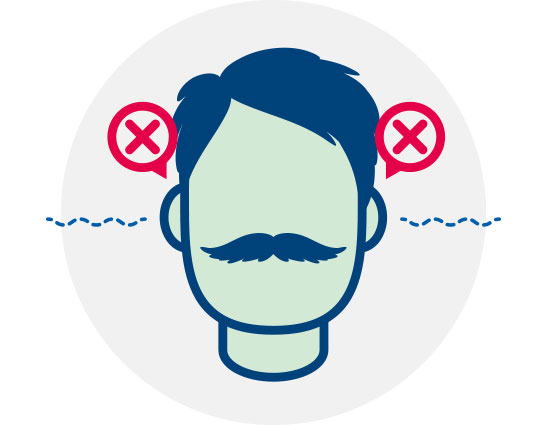
Hearing loss that affects both ears is referred to as bilateral hearing loss. While it is common for bilateral hearing loss to occur gradually over time, in some (rare) cases, it can occur suddenly.
Since the experience of bilateral hearing loss can vary from one person to another, it is important to have your hearing loss evaluated by a hearing care expert. Additionally, there are other hearing health conditions that might have overlapping symptoms with bilateral hearing loss, so seeking advice from an expert will ensure that you are treated for your specific hearing loss needs.

Book a FREE* hearing check today
What causes bilateral hearing loss?
Learn about the various factors that can cause hearing loss:



Symptoms of bilateral hearing loss
Since hearing loss often occurs gradually over time, it can be difficult to identify the symptoms. Whether the signs of hearing loss are obvious or not, it is worth seeking professional advice even if you only notice the slightest of signs. Being proactive will help you to receive a proper diagnosis as early as possible so that you can seek treatment (if necessary). Any recognizable symptoms can be a sign of mild, moderate, severe, or profound hearing loss.
Common symptoms of hearing loss include:
- Difficulty understanding others, especially in noisy environments
- Turning up the TV volume louder than usual
- Asking others to repeat themselves
- Relying on lip reading to understand what others are saying
Additionally, unilateral hearing loss is typically easier to spot since sounds will be louder in one ear than the other. Bilateral hearing loss can be identified when sound is generally more difficult to hear in both ears.

Treatment for bilateral hearing loss
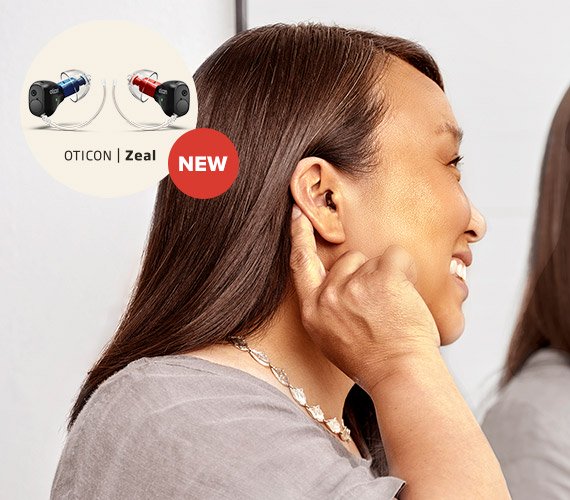
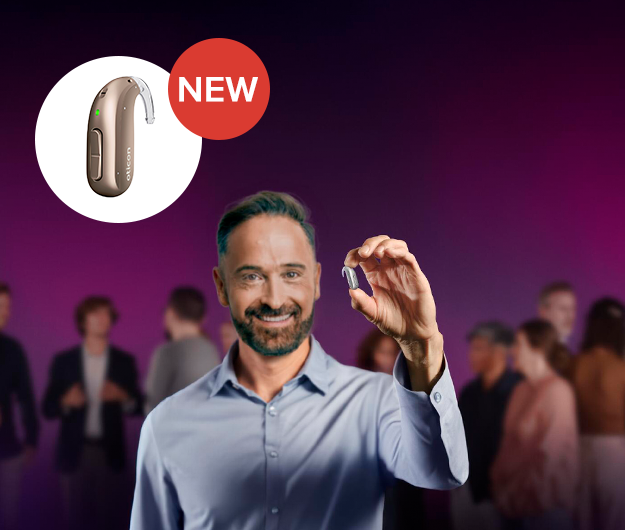
Modern hearing aids are able to provide those with bilateral hearing loss with a natural hearing experience. Today's hearing aids not only amplify sound, but they send detailed sound signals to the brain, so that you can hear better with less effort.
In fact, the latest hearing aids can significantly improve speech understanding and increase the amount of sound delivered to the brain, providing a clearer sound scene. This enables those with bilateral hearing loss to hear more details in surrounding sounds.
Types of bilateral hearing loss
Bilateral hearing loss can be classified as either sensorineural or conductive in nature.
Bilateral sensorineural hearing loss
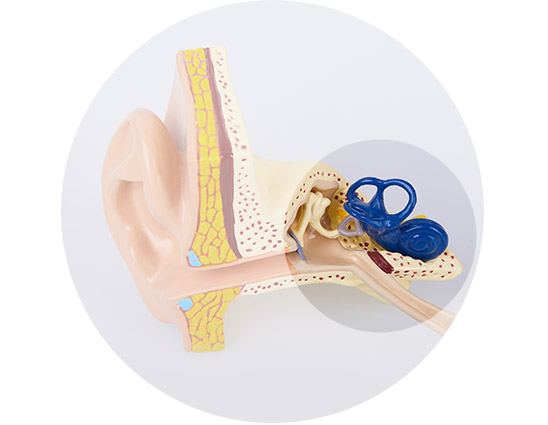
Sensorineural hearing loss implies that the tiny hair cells in the inner ear or the auditory nerve (responsible for transmitting sound to the brain) are damaged. It is most often caused by the natural aging process or exposure to loud sounds.
Sensorineural hearing loss
Bilateral conductive hearing loss
Conductive hearing loss occurs in the outer or middle part of the ear, where sound is converted to vibrations and sent to the inner ear. This type of hearing loss refers to issues with transferring sound waves (due to a blockage or other impediment.) Excessive ear wax, a ruptured ear drum, or even ear infections can result in conductive hearing loss.
Conductive hearing loss

Your hearing is our expertise
Our comprehensive FREE Guide to Hearing Health provides information on the various types of hearing loss, their causes, possible management options, what to expect from a hearing assessment, and much more including:
- Audika’s commitment to the highest level of customer service
- Helping a loved one with hearing loss
- Types of hearing aids
- Funding options for people needing financial support

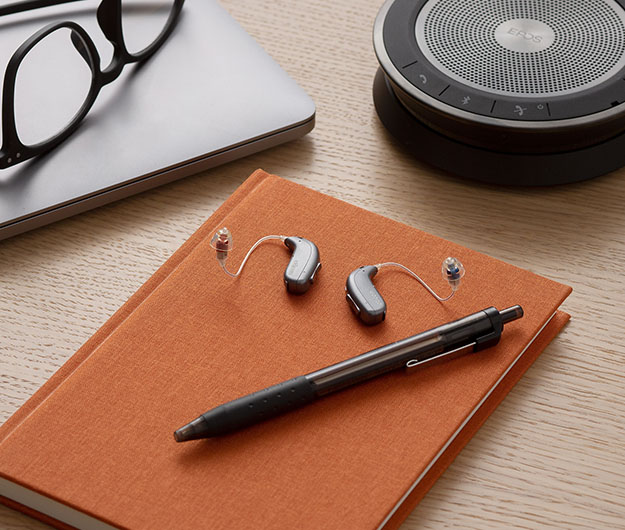
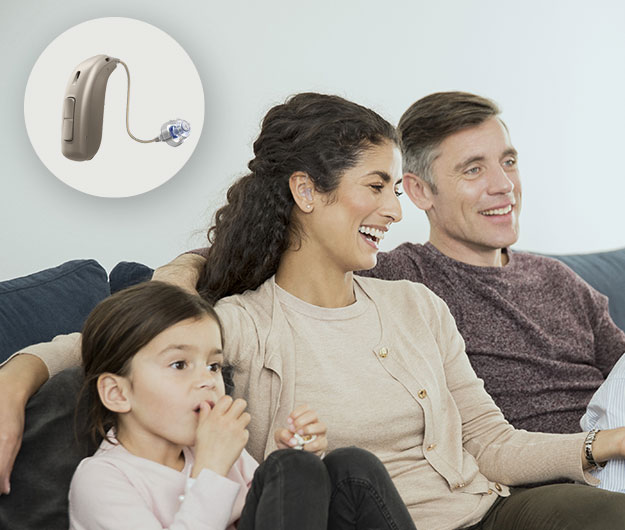
Oticon hearing aid models





B.Comm(Mgt), GradCertSci., M.Clin.Aud.,MAudSA(CCP)
Mona’s career has seen her work in a wide range of audiological areas, including paediatrics, diagnostics and tinnitus counselling, where she ultimately developed a passion for adult rehabilitation and helping not simply hearing care clients but developing the skills of our network of clinicians. Mona’s consistent relationship-focused ability to train and foster the talents of all client-facing team members saw her move into State Management and national training roles, before advancing to her current role as Chief Audiologist and Head of Clinical Governance and Training for the entire Audika Clinical Network across Australia and New Zealand.
Mona’s focus is now on ensuring every client that Audika interacts with is achieving a better quality of life, through a clinically consistent, professional and high-standard of care provided by all clinical team members. This client outcomes focus is the key driver in developing and reimagining the future of modern hearing care at Audika.