What is BrainHearing™?
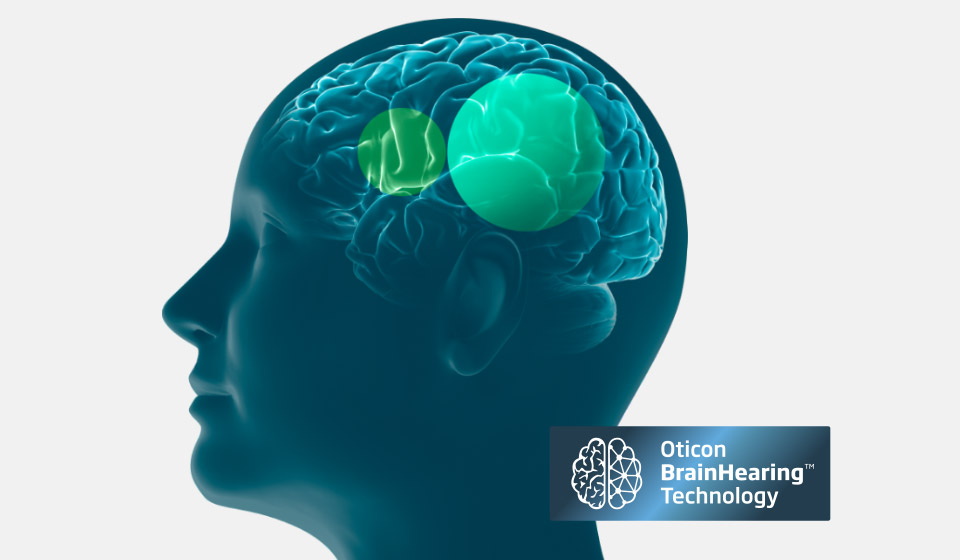
BrainHearing™ is a technology developed by the hearing aid brand Oticon*. The technology helps hearing aid users get access to the full sound scene.


4 benefits of BrainHearing™





Try hearing aids with BrainHearing™ for FREE

What makes Oticon BrainHearing™ different?
Did you know that you hear with your brain? Your ears collect sound, but it’s your brain that actually understands it.
Oticon's BrainHearing™ technology focuses on understanding how the brain makes sense of sound so that hearing aids with this technology can support your brain’s natural way of working.
How does Oticon Brainhearing™ technology work?
BrainHearing™ technology in hearing aids supports the brain’s natural way of processing sound. It gives the brain access to the full soundscape so that you can focus on the most relevant sounds and understand more with less effort.
- BrainHearing™ balances the overall soundscape so that you can focus on the most important sounds around you.
- BrainHearing™ allows you to hear speech more clearly as it enhances and clarifies speech sources near you.
How does the brain make sense of sound?
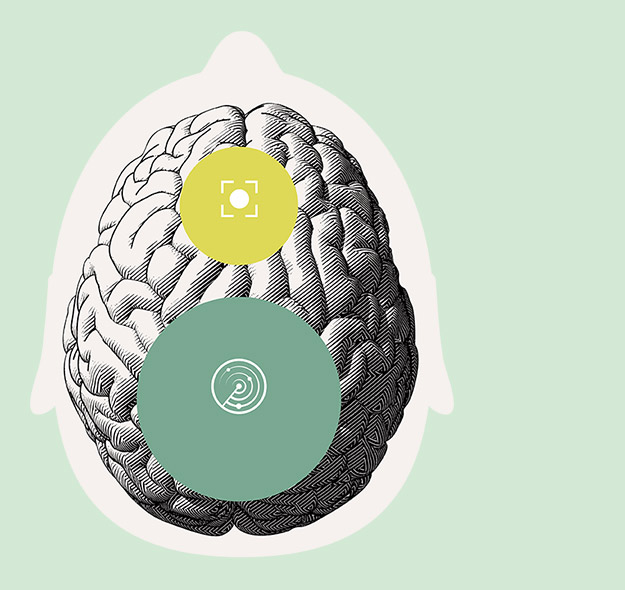
The hearing centre in the brain is made up of two subsystems: the orient subsystem and the focus subsystem.
- The orient subsystem scans the surrounding area for sounds and creates an overview of the sounds around you.
- The focus subsystem selects which sounds to focus on, while filtering out irrelevant sounds.
These two systems constantly interact to make sure that the brain’s present focus is on the most important sounds. Hearing aids with BrainHearing™ support the way in which the brain naturally processes sound. It ensures that you hear as much as possible, with as little effort as possible.
Advice from an audiologist
When it comes to hearing loss, it's important to seek out a solution that will best serve your hearing needs - without compromise. Getting the highest level of care and seeking the best solution possible will likely have a positive impact on your overall quality of life.
Our team of audiologists recommends that you select a high-quality hearing aid if you have hearing loss. High-quality hearing aids give you the full sound perspective so that your brain can process sound as naturally as possible (rather than simply amplifying the sounds around you.)
This high-quality treatment leads to enhanced brain stimulation and lowers your risk for long-term health problems, such as cognitive decline.
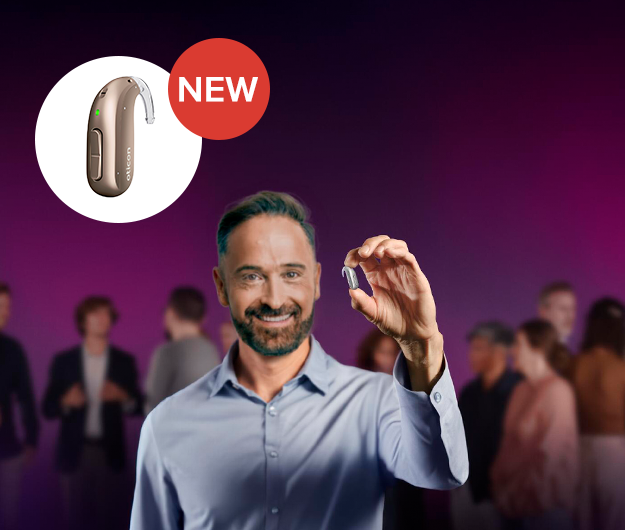
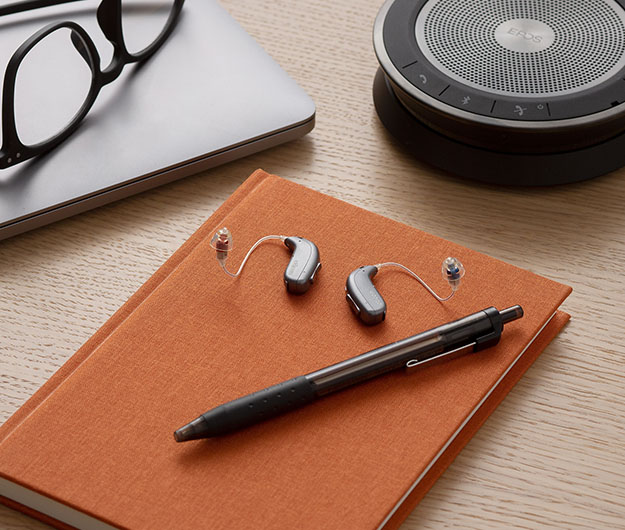
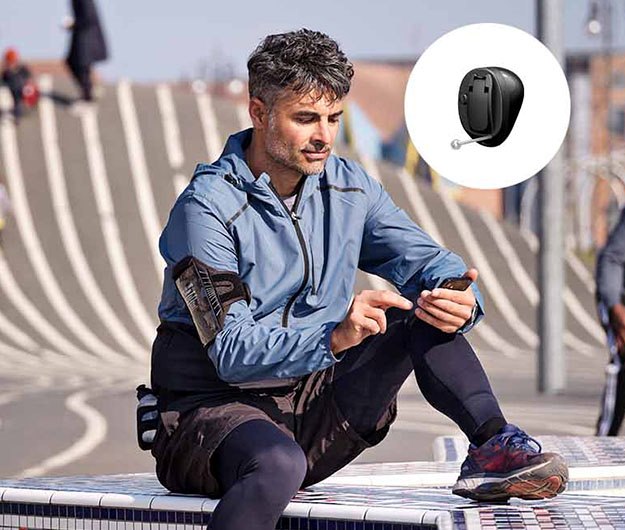
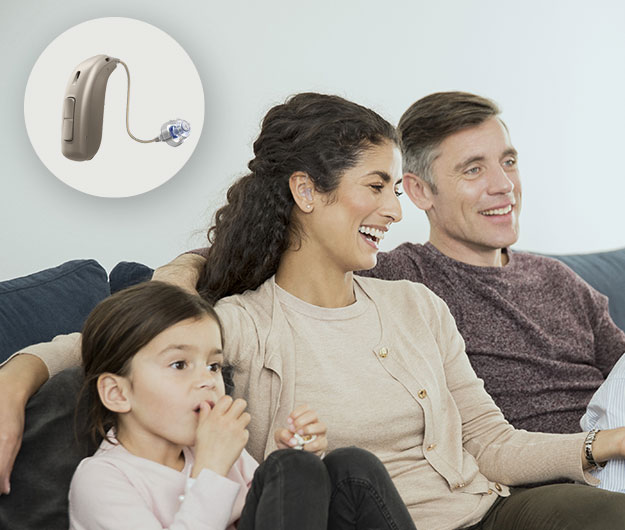
Oticon hearing aid models


B.Comm(Mgt), GradCertSci., M.Clin.Aud.,MAudSA(CCP)
Mona’s career has seen her work in a wide range of audiological areas, including paediatrics, diagnostics and tinnitus counselling, where she ultimately developed a passion for adult rehabilitation and helping not simply hearing care clients but developing the skills of our network of clinicians. Mona’s consistent relationship-focused ability to train and foster the talents of all client-facing team members saw her move into State Management and national training roles, before advancing to her current role as Chief Audiologist and Head of Clinical Governance and Training for the entire Audika Clinical Network across Australia and New Zealand.
Mona’s focus is now on ensuring every client that Audika interacts with is achieving a better quality of life, through a clinically consistent, professional and high-standard of care provided by all clinical team members. This client outcomes focus is the key driver in developing and reimagining the future of modern hearing care at Audika.
Sources
1. Amieva, H., Ouvrard, C., Meillon, C., Rullier, L., & Dartigues, J. (2018, January 03). Death, Depression, Disability, and Dementia Associated With Self-reported Hearing Problems: A 25-Year Study. Retrieved from https://academic.oup.com/biomedgerontology/article/73/10/1383/4783130
2. Hearing aids, information on hearing loss and tinnitus. (n.d.). Retrieved from https://www.oticon.global/hearing-aid-users/blog/2019/why-healthy-hearing-is-vital-in-fighting-dementia
3. Lin, F. R.. (2011, February 1). Hearing Loss and Incident Dementia. Archives of Neurology. https://jamanetwork.com/journals/jamaneurology/fullarticle/802291.
4. Lin, F. R., & Ferrucci, L. (2012). Hearing loss and falls among older adults in the United States. Archives of internal medicine, 172(4), 369–371. https://doi.org/10.1001/archinternmed.2011.728
5. Livingston G, Huntley J, Sommerlad A, Ames D, Ballard C, Banerjee S, et al. . Dementia prevention, intervention, and care: 2020 report of the Lancet Commission. Lancet. (2020). https://www.thelancet.com/journals/lancet/article/PIIS0140-6736(20)30367-6/fulltext
6. Oticon BrainHearing™. (n.d.). Retrieved from https://www.oticon.com/your-hearing/hearing-health/brainhearing-technology
7. Rönnberg J;Lunner T;Zekveld A;Sörqvist P;Danielsson H;Lyxell B;Dahlström O;Signoret C;Stenfelt S;Pichora-Fuller MK;Rudner M;. (n.d.). The Ease of Language Understanding (ELU) model: Theoretical, empirical, and clinical advances. Retrieved from https://pubmed.ncbi.nlm.nih.gov/23874273/